Feel the thrill of the Himalayas with team of highly experienced trekking professionals.

Walk the Sky in Nepal.

Home » Destinations » Nepal » Trekking in Nepal » Trekking in Everest Region » Everest Base Camp Trekking
From USD USD 1.9K
100% 5 star based on 81 reviews.
Based on TripAdvisor Reviews
Everest Base Camp Trekking

Everest Base Camp Trekking

Key Trip Facts

Experience the journey of a lifetime to the base of the world's highest peak. This 14-day itinerary is designed for maximum acclimatization and mountain views.

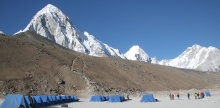
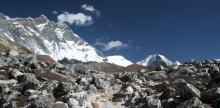
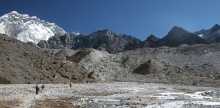
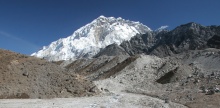
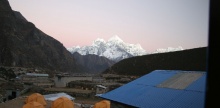
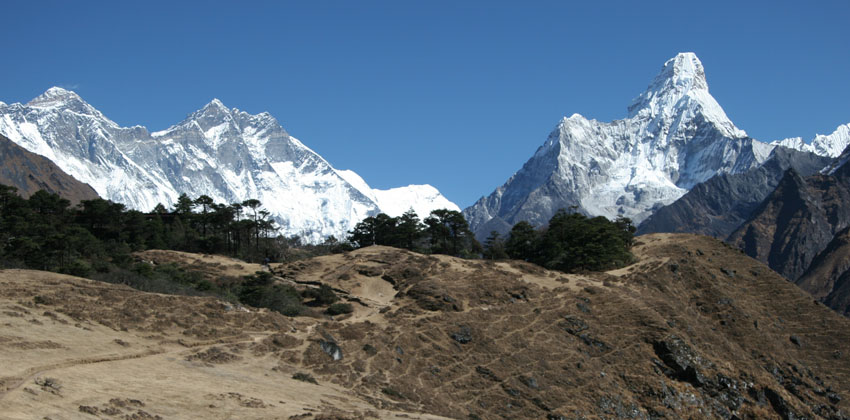
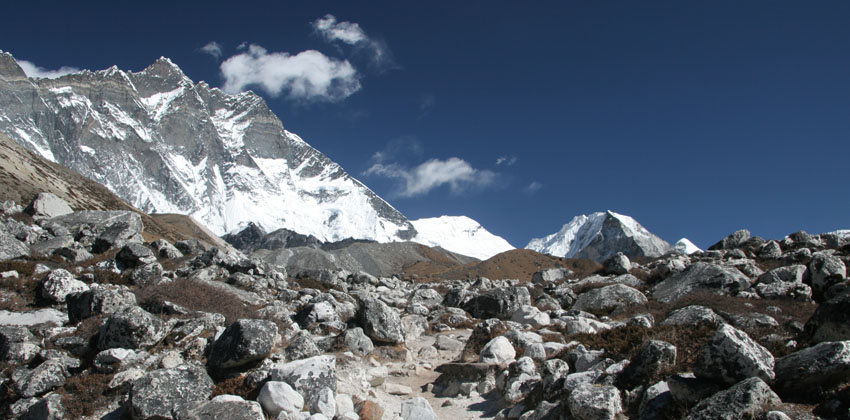
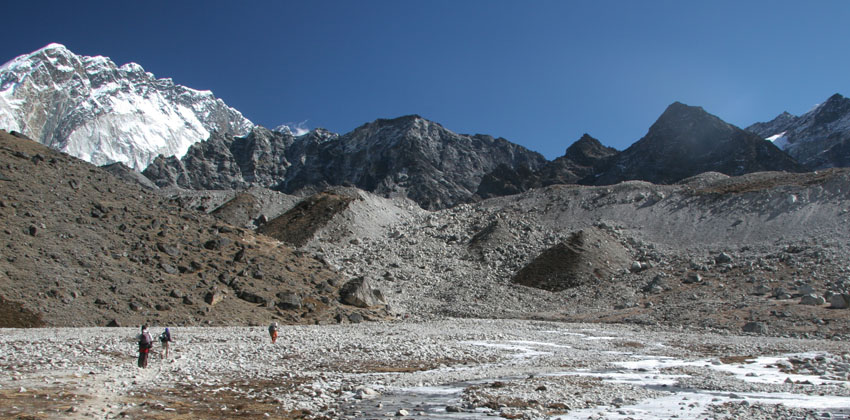
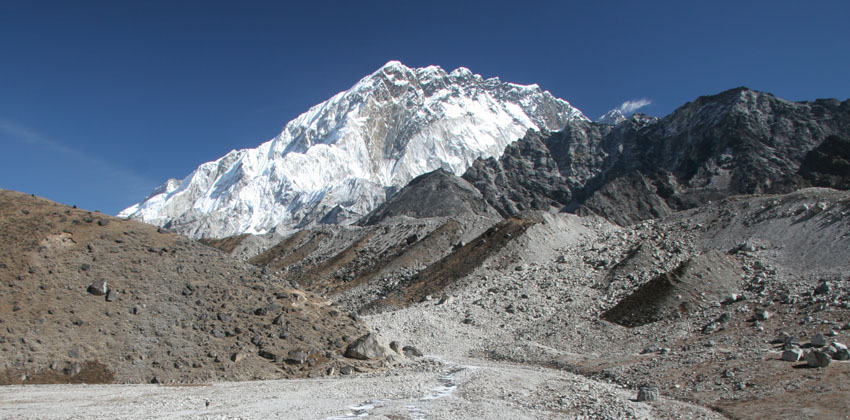
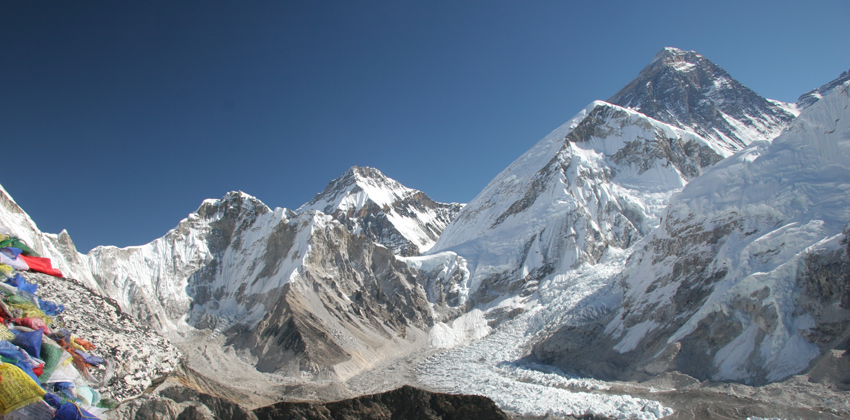
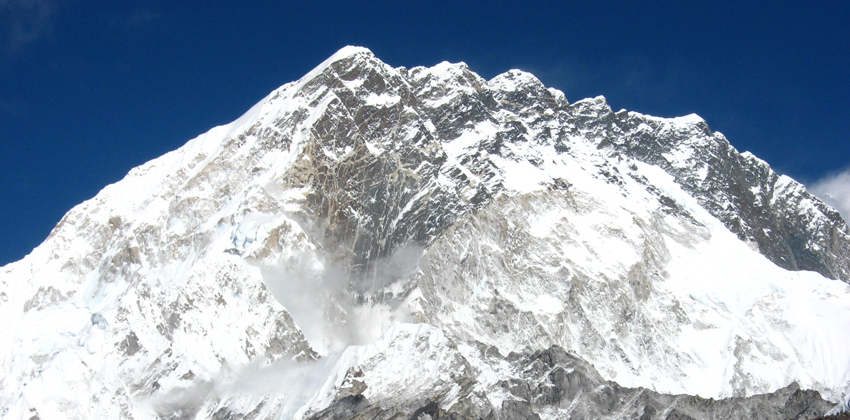
Standing in the shadow of Mt. Everest (8,848.86m) is a defining milestone for global trekkers. The 16-Day Everest Base Camp (EBC) trek combines high-altitude adventure with rich cultural immersion in the Khumbu region. Navigating through the Sagarmatha National Park, historic Sherpa villages like Namche Bazaar, and vibrant Buddhist monasteries, this trail delivers unparalleled views of Lhotse, Nuptse, and Ama Dablam before reaching the iconic base camp at 5,364 meters.
 2026 Quick Trip Facts
Total Duration: 16 Days (Kathmandu to Kathmandu)
Maximum Altitude: 5,364m (Base Camp) & 5,545m (Kala Patthar Summit)
Trek Difficulty: Moderate to Adventurous
Accommodation: High-Quality Alpine Tea Houses & Eco-Lodges
Best Season to Visit: Spring (March–May) & Autumn (September–November)
2026 Local Permit Requirements: Khumbu Pasang Lhamu Rural Municipality Permit & Sagarmatha National Park Entry Permit.

Set out on a lifetime journey to the spot where the world’s tallest mountain stands. With this perfectly planned itinerary from Kathmandu to Kathmandu over a period of 14 days, you can enjoy acclimatization, culture, and spectacular scenery. The trekking path is considered adventurous and moderately difficult, reaching its summit at Kala Patthar at a height of 5,545 meters after climbing up to a maximum height of 5,364 meters at the Everest Base Camp. For your convenience, the package provides quality accommodation services such as tea houses and mountain lodges, all necessary permits including Sagarmatha National Park and Khumbu local permits, and the peak season alternate flight diversion from Manthali to Lukla. The best time to explore the experience would be the spring season from March to May or autumn from September to November.

As the saying goes, one reaps the most beautiful scenery at the top of his hardest climb, and no other hike comes close to matching that statement than the Everest Base Camp Trek. In terms of challenging uphill sections that offer rewards and satisfaction, the trek offers its participants spectacular scenery like none on earth. With the appeal of Mount Everest attracting trekkers from all over the world to this renowned Himalayan trail, you are guaranteed to find yourself under the mighty shadow of the tallest peak on earth. Through guiding this famous trail for years, we have developed an unending fascination with Khumbu.

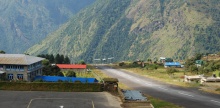
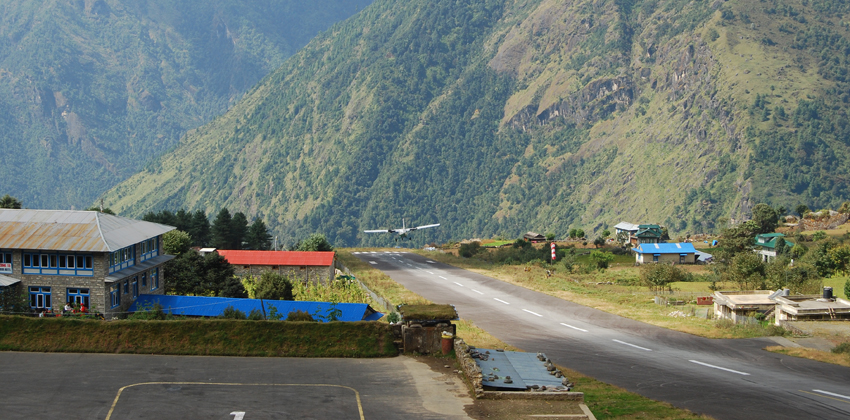
The trek starts with the thrilling scenic flight to the airstrip in the mountains of Lukla, where you will be welcomed by our professional local trekking team. From there, the route follows the clear river streams of the Dudh Koshi River into the midst of the Sherpa territory. Along the way, we move away from typical tourists’ routes to discover colorful, hospitable villages. You will have precious acclimatizing days in Namche Bazaar, the main gateway to Khumbu Valley, where you can delve into the fascinating cultural traditions and warm hospitality of the Sherpas.

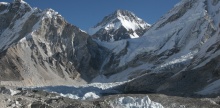
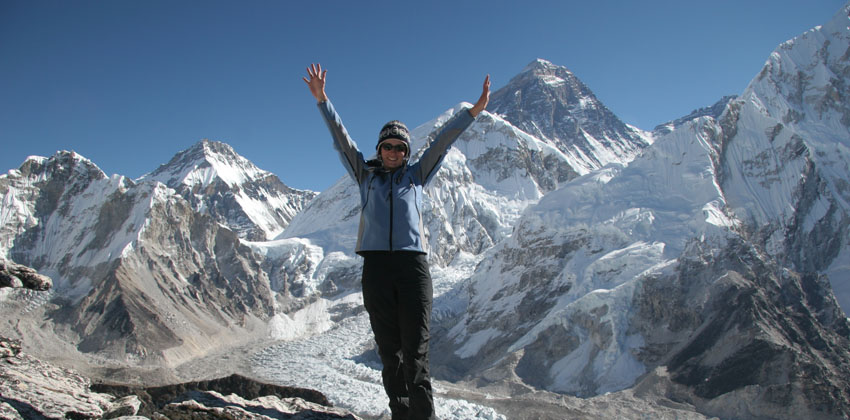
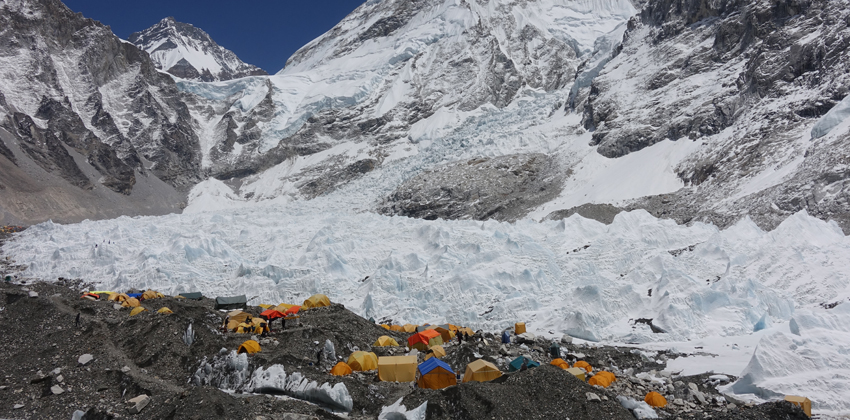
After full acclimatization, we then join the paths that lead some of history's best mountaineers to Base Camp. During our April expedition, you will surely observe the excitement around international expeditions that are gearing up for their spring climbs. The highest highlight of the trek is definitely the climb up to Kala Patthar at a staggering altitude of 5,545 meters. Here, you will be able to gaze in wonder at one of nature's most amazing panoramas featuring none other than majestic Mount Everest itself at 8,848.86 meters surrounded by colossal Lhotse, Nuptse, and Makalu peaks. Lastly, trekkers who will join our October 2026 trip dates will enjoy the colorful Mani Rimdu Festival celebrated inside the famous Tengboche Monastery.

What Makes Our Trek the Right Choice for You?

Locals as Guides: Our treks are led by experienced guides who have been born and brought up in this incredible land, providing maximum safety, insights into the culture, and strong connections with locals.

Highest Success Rate: Our well-designed routes include rest days for acclimatization, offering maximum comfort, safety, and success in completing your trek.

Best Gear Provided: To ensure that you stay warm during the trek, we offer free down jackets and sleeping bags for four seasons.

Healthy Meals Every Day: We offer freshly cooked hygienic food to make sure that you do not lack energy during the trek.
everest base camp trekking route map update new
Everest Base Camp Trekking Route Map Update New


Our Everest Base Camp trek 16 days itinerary is specifically designed to give you the perfect balance of adventure and safe acclimatization


Below is the day-by-day breakdown of your journey from Kathmandu into the heart of the Khumbu region...


Day 01: Kathmandu Arrival

  • Welcome to Nepal! Airport pickup and transfer to your hotel. Join us for a Welcome Dinner featuring a live Nepali cultural show.

Day 02: Kathmandu Heritage Tour & Trek Prep

  • Visit 4 UNESCO World Heritage Sites: Pashupatinath, Boudhanath, Swayambhunath, and Kathmandu Durbar Square. Evening briefing with your lead trekking guide.

Day 03: Fly to Lukla (2,820m) & Trek to Phakding (2,630m)

  • Flight Note: During peak season (March-May/Oct-Nov), flights operate from Manthali (Ramechhap). We provide private transport to the airport. Scenic flight to Lukla and a 4-hour introductory trek.
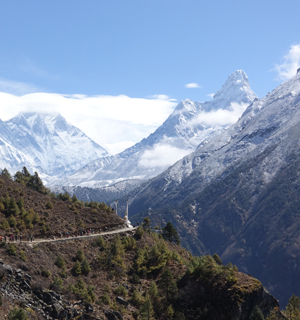
Day 04: Into the Heart of Sherpa Country (Namche Bazaar, 3,440m)

  • Enter the Sagarmatha National Park at Monjo. Cross high suspension bridges over the Dudh Koshi River before the final climb to the "Sherpa Capital," Namche Bazaar.

Day 05: Acclimatization Day 01 (Namche Bazaar)

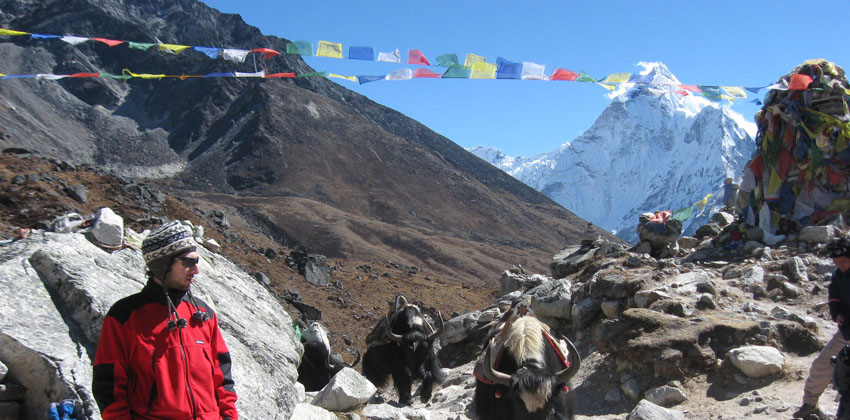
  • Vital rest day. Hike to the Everest View Hotel for your first glimpse of Mt. Everest, Lhotse, and Ama Dablam. Visit the Hillary School in Khumjung.

Day 06: The Spiritual Trail (Tengboche, 3,867m)

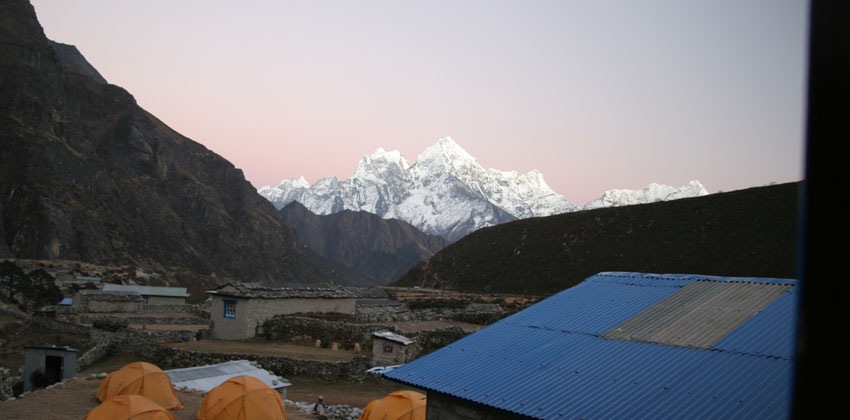
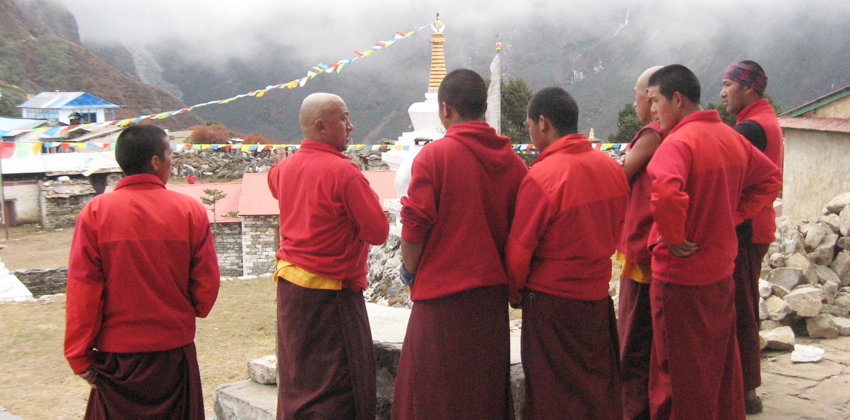
  • Trek through rhododendron forests to the famous Tengboche Monastery. Witness the afternoon prayers with the backdrop of Everest and Thamserku.

Day 07 – 08: High Alpine Trekking & Acclimatization (Dingboche, 4,410m)

  • Ascend above the tree line. On Day 08, we hike to Nagarjun Hill (5,100m) for incredible views of Makalu (the 5th highest mountain) and the Island Peak valley.

Day 09: Crossing the Thukla Pass (Lobuche, 4,930m)

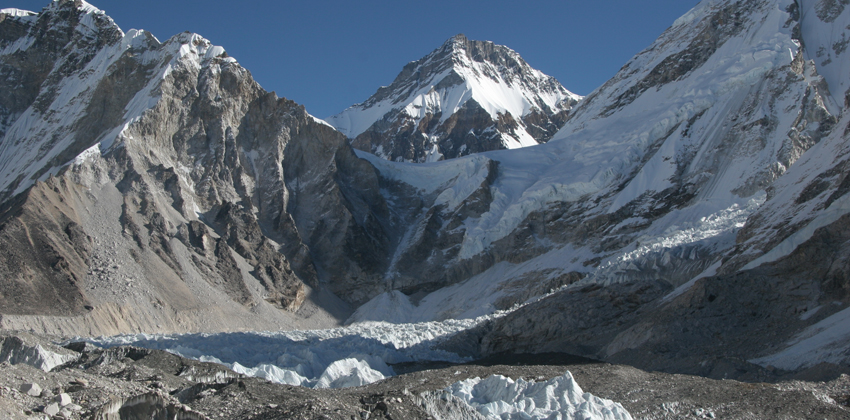
  • Pay respects at the Everest Memorial (Thukla Pass), dedicated to fallen climbers. Trek alongside the Khumbu Glacier to reach Lobuche.

Day 10: The Dream Destination: Everest Base Camp (5,364m)

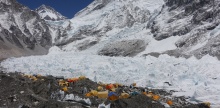
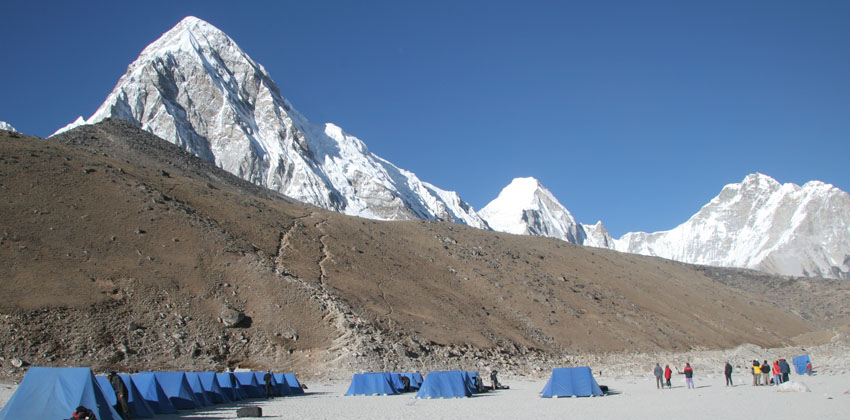
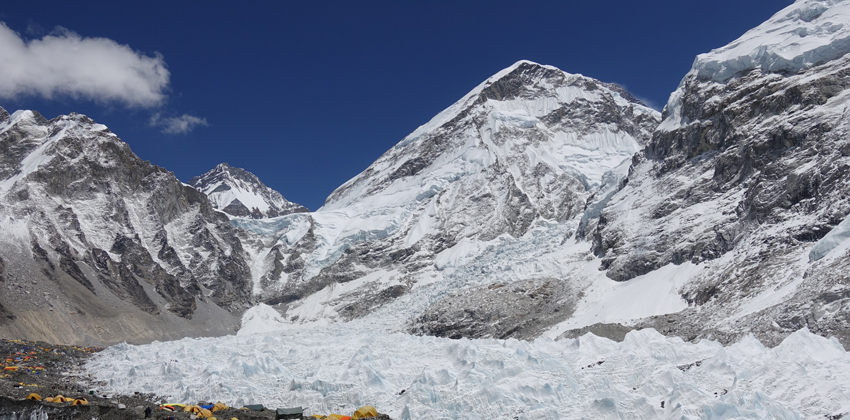
  • Trek to Gorak Shep for lunch, then proceed to Everest Base Camp. Stand at the foot of the Khumbu Icefall and celebrate your achievement! Return to Gorak Shep (5,180m).

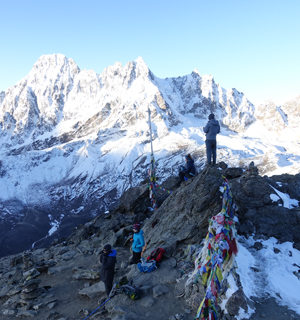
Day 11: Sunrise at Kala Patthar (5,545m) & Descent to Pangboche

  • A pre-dawn climb to the highest point of the trek for the best sunrise view of Mt. Everest. Descend to the lower, oxygen-rich altitudes of Pangboche.

Day 12 – 14: The Return Journey to Lukla

  • Retrace your steps through Namche Bazaar and Phakding. Celebrate your final night in the mountains with your porters and crew in Lukla.

Day 15: Kathmandu Relax & Contingency Day

  • Fly back to Kathmandu. This day serves as a safety buffer in case of flight delays. Free time for shopping in Thamel or a massage.

Day 16: Final Departure

  • Breakfast and private transfer to the international airport.

Price Includes:

  • Everest National Park Entry Permits
  • KPLGP Permit 
  • Trekkers' Information Management System (TIMS)
  • Manthali -Lukla -Manthali  air ticket (USD +NRS)
  • Kathmandu-Manthali-Kathmandu bus trasport 
  • Three Meals a Day: breakfast, lunch, dinner including tea/coffee with meals time (one per meal)
  • One Guide: English speaking, insured, registered, well-equipped, his salary, food and accommodation
  • One porter Between two person  insured registered, well-equipped, salary, food and accommodation
  • Accommodation (shared) in a tea house lodge
  • Safe drinking water
  • Emergency care service

Price Excludes:

  • Bar & beverage bills,
  • Personal expenses. wifi,bottled water, desserts, shower, insurance, rescue,  personal clothing,
  • Any additional services requested and tips to the staff.

Essential Trekking Information

Real advice from the Encounters Nepal team for your Everest journey.

A. The Lukla Flight & Weather Reality

Mountain weather is unpredictable. Flights to Lukla can be delayed or cancelled at any time.

  • Be Prepared: Always keep 1–2 buffer days at the end of your trip in Kathmandu.

  • Our Promise: If weather stops the planes, we work tirelessly to get you on the next available flight.

  • The "Plan B" Guarantee: If Lukla remains closed for more than 2 days, you can swap to the Annapurna Base Camp Trek at no extra cost.

  • Note: While we facilitate the swap, refunds for "Acts of Nature" are not possible. Extra nights in Kathmandu (food/stay/transport) during delays are the traveler’s responsibility.

B. Pure Water & Eco-Responsibility

We are an eco-sensitive operator. Staying hydrated is the #1 way to prevent altitude sickness.

  • Our Solution: We provide safe, chlorinated water throughout the trek to reduce plastic waste.

  • Mineral Water: If you prefer bottled water, it is available at all lodges. Budget approximately USD $150 for a 14-day trip, as prices rise significantly with altitude.

C. High-Altitude Connectivity

Want to share your summit selfie? You can stay connected even in the rugged Khumbu.

  • WiFi: Available in most teahouses up to Gorakshep via Everest Link.

  • Cost: Expect to pay roughly USD $5–$10 per day for high-speed access.

  • Pro Tip: Connection speed varies with the weather—it's perfect for messaging, but maybe not for 4K streaming!

D. Mandatory Insurance: Your Safety Net

Safety is non-negotiable. Traveler’s Insurance is mandatory.

  • Coverage: Your policy must cover emergency helicopter evacuation up to 3500 to 6,000 meters.

  • Preparation: Inform your insurance provider about your trek before leaving home. We can arrange helicopter rescues instantly, but your policy is what saves you from a massive bill.


Everest Base Camp: Your Top Questions Answered


  1. How difficult is the EBC trek? It is a "Strenuous" trek. You don't need to be an athlete, but you need good cardiovascular fitness. Our 16-day itinerary includes 2 acclimatization days to ensure safety.

  2. What is the best time for EBC in 2026? Spring (March-May) for clear skies and climbing expeditions, or Autumn (Sept-Nov) for the best mountain visibility.

  3. Do I need a TIMS card or a local permit? As of 2026, you need the Khumbu Pasang Lhamu Rural Municipality Permit (NPR 2,000) and the Sagarmatha National Park Entry Permit (NPR 3,000).

  4. Is the flight to Lukla from Kathmandu or Ramechhap? During peak seasons (Spring/Autumn), most flights operate from Manthali Airport (Ramechhap). We provide private transport to Ramechhap.

  5. How do I prevent Altitude Sickness (AMS)? Walk slowly, stay hydrated (4L water/day), and follow our "climb high, sleep low" acclimatization schedule.

  6. Is there Wi-Fi on the trail? Yes, "Everest Link" provides prepaid Wi-Fi cards available in most teahouses up to Gorakshep.

  7. What is the maximum altitude? The highest point is Kala Patthar at 5,545m (18,192 ft) for the best view of Mt. Everest.

  8. What kind of food is available? Teahouses serve "Dal Bhat" (lentils and rice), pasta, pancakes, and eggs. We recommend vegetarian food at high altitudes.

  9. Can I trek EBC solo? Current regulations require a licensed guide for most treks in Nepal for safety. We provide expert local Sherpa guides.

  10. How much does it cost? A standard 15-16 day all-inclusive package ranges from $2000 to $4000USD depending on group size and service level.


1.Everest Base Camp Essential Packing List

  • Sleeping Bag: Rated to -15°C to -20°C. Even if the lodge has blankets, you’ll need this for hygiene and sub-zero nights.

  • Down Jacket: A heavy, "puffy" insulated jacket with a hood for evenings and the Kala Patthar sunrise.

  • Trekking Boots: Waterproof, high-ankle support, and well broken-in (do not wear brand-new boots for the first time on the trail!).


2. Clothing: The Layering System

The key to EBC is "peeling" layers as you get hot while walking and adding them as soon as you stop.

Layer Item Quantity
Base Layer Moisture-wicking thermals (Merino wool is best) 2 sets
Middle Layer Fleece jacket or softshell 1–2
Trekking Shirts Lightweight, quick-dry (Long & Short sleeve) 4–5
Trousers Hiking pants (convertible/zip-offs are great) 2
Outer Layer Waterproof/Windproof jacket & shell pants 1 set
Underwear Breathable, athletic fabric (Avoid cotton) 5–7 pairs

3. Equipment for Head and Hands

  • Head: 1 warm beanie (wool), 1 sun hat/cap, and 1-2 Buffs (essential for the "Khumbu Cough" and dust).

  • Hands: 1 pair of lightweight liner gloves and 1 pair of heavy waterproof/insulated mittens/gloves.

  • Feet:  4–5 pairs of Merino wool trekking socks.

    • 1 pair of thick thermal socks (for sleeping).

    • Camp shoes (Crocs, sneakers, or down booties) to let your feet breathe at the lodge.


4. Gender-Specific Essentials

For Females:

  • Sports Bras: 2–3 (synthetic/moisture-wicking).

  • Sanitary Products: Tampons/pads/cups (bring more than you think; altitude can affect your cycle).

  • Pee Funnel: Optional, but very helpful for cold nights when you don't want to leave your sleeping bag.

  • Skincare: Heavy-duty moisturizer and hair ties.

For Males:

  • Shaving Kit: Travel-sized (though many men choose to grow a "trekking beard" to protect from sun/wind).

  • Personal Hygiene: Anti-chafe balm (Body Glide) for long walking days.


5. Electronics & Tech

  • Power Bank: Large capacity (20,000mAh+). Charging costs USD $5–$8 per device at high altitudes.

  • Headlamp: Crucial for the 4:00 AM Kala Patthar climb (bring spare batteries).

  • Universal Adapter: Type C/D/M for Nepal.

  • Camera/Phone: Keep these inside your sleeping bag at night—cold kills batteries!


6. Health & Personal Care

  • Water Purification: Tablets (Chlorine/Iodine) or a SteriPen. (Saves you ~$150 in plastic bottle costs).

  • Sun Protection: SPF 50+ Sunscreen and SPF Lip Balm (the UV at 5,000m is brutal).

  • First Aid Kit: Diamox (for altitude), Ibuprofen, Blister plasters (Compeed), and Throat lozenges.

  • Hygiene: 2 rolls of toilet paper, 2 packs of wet wipes (your "mountain shower"), and hand sanitizer.


 Expert Pro-Tip for 2026:

If you are flying from Manthali (Ramechhap), keep your essential items (meds, passport, one change of clothes) in your daypack. Occasionally, duffel bags arrive on a later flight than the passengers.